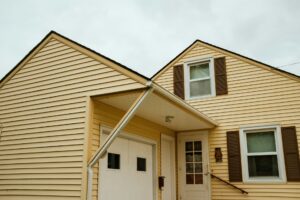
A summer home maintenance checklist helps property managers prepare residential properties for heat, storms, pests, heavy HVAC use, and outdoor wear. For rental homes, summer maintenance is not only about curb appeal. It also helps reduce emergency repair calls, protect property condition, and keep tenants comfortable during the hottest months of the year.
Summer can be hard on residential properties. Air conditioners run longer, gutters handle sudden storms, landscaping grows quickly, pests become more active, and small leaks can turn into moisture problems. A planned checklist helps property managers catch these issues before they become expensive repairs.
This guide covers the most important summer maintenance tasks for rental properties, single-family homes, and residential portfolios.
Why Summer Maintenance Matters for Property Managers
Summer maintenance helps property managers stay ahead of seasonal problems. Instead of waiting for an AC outage, roof leak, pest complaint, or overgrown yard notice, you can inspect key areas before peak summer conditions create more pressure.
A good summer maintenance plan supports:
- tenant comfort
- fewer emergency calls
- better property condition
- safer exterior areas
- cleaner owner reporting
- faster vendor coordination
- lower risk of water and pest damage
For rental properties, documentation also matters. Photos, inspection notes, vendor reports, and repair history help property managers show owners what was found, what was completed, and what may need attention next.
1. Service the HVAC System Before Peak Heat
HVAC should be one of the first items on any summer home maintenance checklist. Cooling issues are more urgent during hot weather, and contractors often become busier once summer temperatures rise.
ENERGY STAR recommends keeping heating and cooling equipment at peak performance with annual pre-season checkups. For cooling systems, that means scheduling service before the hottest part of the year when possible.
For rental properties, check:
- air filters
- thermostat operation
- supply and return vents
- outdoor condenser condition
- refrigerant line insulation
- unusual noises
- weak airflow
- clogged drain lines
- tenant reports of uneven cooling
Tenants should also know how often filters need to be replaced and how to report cooling problems. If the property has a history of AC issues, document the repair history before the next heat wave.
2. Check Gutters, Downspouts, and Drainage
Summer storms can expose drainage problems quickly. Clogged gutters, loose downspouts, and poor grading can send water toward the foundation, roofline, siding, or basement.
Inspect gutters and downspouts for leaves, branches, roof granules, standing water, loose sections, and disconnected extensions. Make sure downspouts direct water away from the structure.
Also look at the ground around the home. Water should not pool near the foundation after rain. If you see erosion, soil settlement, or standing water, document it and schedule correction before the next storm season.
Good drainage helps reduce the risk of roof leaks, basement moisture, foundation problems, pest activity, and mold-related complaints.
3. Inspect the Roof and Exterior After Winter and Spring Weather
Summer is a good time to check the roof, siding, trim, fascia, soffits, and exterior openings. Damage from winter, spring storms, falling branches, or wind may not become obvious until heavy rain arrives.
From the ground, look for:
- missing or damaged shingles
- loose flashing
- sagging gutters
- damaged fascia or soffits
- cracked siding
- open gaps around vents
- damaged chimney areas
- tree limbs touching the roof
- stains under roof edges
- signs of animal entry
Do not ask untrained staff to walk the roof. If there are visible roof issues, interior water stains, or repeated leak reports, schedule a qualified roofing inspection.
4. Look for Moisture Problems Early
Warm weather can make moisture problems worse, especially in bathrooms, basements, kitchens, laundry areas, and around HVAC systems.
EPA guidance explains that moisture control is key to mold control and recommends drying wet or water-damaged areas quickly. For rental properties, that means leaks, stains, damp materials, and musty odors should be checked as soon as possible.
Inspect common moisture-risk areas:
- under sinks
- around toilets
- near water heaters
- around washing machines
- below windows
- in basements or crawl spaces
- near ceiling stains
- around HVAC drain lines
- near exterior doors
Ask tenants to report water issues quickly, even if the issue looks minor. A small leak can become a larger repair when it is hidden behind cabinets, walls, or flooring.
5. Test Smoke and Carbon Monoxide Alarms
Smoke and carbon monoxide alarms should be part of every seasonal maintenance routine. Summer may involve more guests, grilling, power interruptions, and HVAC use, so safety checks should not be skipped.
Confirm that alarms are installed where required by local code and property policy. Test alarms, replace batteries when needed, and document the date of inspection.
If tenants are responsible for reporting alarm issues, remind them not to remove batteries or disable alarms. If an alarm is missing, expired, damaged, or not working, replace it promptly.
6. Check Windows, Doors, Screens, and Weatherstripping
Windows and doors affect comfort, energy use, pest control, and security. In summer, damaged screens and gaps around openings can lead to pest complaints and cooling loss.
Inspect:
- window locks
- door locks
- torn screens
- loose weatherstripping
- cracked caulk
- sticking doors
- gaps around frames
- damaged thresholds
- signs of water entry
Small repairs can improve tenant comfort and help the HVAC system work more efficiently. They can also reduce complaints about bugs, drafts, and moisture.
7. Manage Landscaping and Tree Growth
Landscaping grows quickly in summer. Overgrown grass, weeds, shrubs, and trees can affect curb appeal, safety, pest control, and code compliance.
Check:
- lawn height
- weeds near structures
- shrubs touching siding
- branches near the roof
- blocked walkways
- vegetation around HVAC units
- drainage areas
- dead trees or limbs
- trip hazards from roots or uneven ground
Keep vegetation away from the structure and outdoor equipment. Outdoor HVAC units need clear airflow, and rooflines should not be covered by branches.
For rental properties, clarify who is responsible for lawn care. If the tenant handles landscaping, the lease and tenant communication should make expectations clear.
8. Remove Standing Water and Watch for Pests
Pests are more active during warm weather. Standing water, trash, overgrown vegetation, and moisture problems can make a property more attractive to insects and rodents.
The CDC recommends removing standing water where mosquitoes can lay eggs, including water in buckets, planters, toys, birdbaths, trash containers, and other items that hold water.
At rental properties, check:
- clogged gutters
- buckets or containers
- low spots in the yard
- birdbaths
- old tires
- trash areas
- open crawl space vents
- gaps around doors
- damaged screens
- overgrown vegetation
Pest prevention works best when sanitation, drainage, landscaping, and building openings are all addressed together.
9. Prepare for Summer Storms and Extreme Heat
Summer can bring thunderstorms, hurricanes, high winds, heavy rain, power outages, and extreme heat. The exact risk depends on the property’s location.
Ready.gov encourages households and communities to prepare for summer hazards, including extreme heat and severe weather. For property managers, preparation should include both property checks and tenant communication.
Review:
- emergency contact information
- after-hours repair process
- local vendor availability
- tree hazards
- loose exterior items
- roof and gutter condition
- drainage issues
- backup access instructions
- tenant instructions for urgent maintenance
For properties in hurricane-prone or storm-prone areas, check local emergency guidance and make sure owners understand which preventive work may be needed before a storm.
10. Review Decks, Railings, Stairs, and Walkways
Outdoor areas get more use during summer. Decks, porches, patios, walkways, railings, and stairs should be checked for safety concerns.
Look for:
- loose handrails
- unstable steps
- rotting boards
- lifted nails or screws
- cracked concrete
- uneven walkways
- loose deck boards
- slippery surfaces
- weak porch areas
- poor exterior lighting
Safety issues should be documented and repaired quickly. Even small trip hazards can create tenant complaints, liability concerns, and failed inspections.
11. Check Grill and Outdoor Cooking Safety
If tenants are allowed to use grills, summer is a good time to review property rules and safety expectations. Grill use can create fire risk, especially near siding, decks, balconies, fences, and overhangs.
The National Fire Protection Association provides grill safety guidance and notes that gas grill fires can involve leaks or breaks. Property managers should make sure lease rules and community rules are clear.
Consider reviewing:
- where grills are allowed
- distance from the structure
- balcony or porch restrictions
- storage of propane tanks
- cleanup expectations
- tenant responsibility for safe use
Rules may vary by property type, local fire code, HOA rules, and insurance requirements.
12. Inspect Pool and Spa Areas When Applicable
For rental properties with pools, spas, or hot tubs, summer maintenance should include safety checks, barrier checks, and service documentation.
The U.S. Consumer Product Safety Commission’s Pool Safely guidance explains that safety barriers can help prevent young children from gaining access to pools, spas, and hot tubs.
If the property has a pool or spa, check:
- fencing and gates
- self-closing or self-latching gate hardware
- pool covers
- alarms where applicable
- signage
- lighting
- surface condition
- service records
- chemical maintenance records
- visible hazards around the pool area
Pool rules should be clear to tenants. Local requirements may also apply, so property managers should confirm code, lease, HOA, and insurance expectations.
Summer Home Maintenance Checklist for Rental Properties
Use this checklist to organize seasonal property inspections:
- Service the HVAC system before peak heat
- Replace or check air filters
- Inspect gutters and downspouts
- Confirm drainage moves water away from the home
- Check the roof from the ground
- Look for exterior damage
- Inspect moisture-prone areas
- Test smoke and carbon monoxide alarms
- Check windows, doors, locks, and screens
- Repair damaged weatherstripping or caulk
- Trim vegetation away from the structure
- Remove standing water
- Inspect for pest entry points
- Review storm and emergency procedures
- Check stairs, decks, railings, and walkways
- Review grill rules and fire safety expectations
- Inspect pool or spa barriers when applicable
- Photograph and document completed work
What Property Managers Should Document
A checklist is more useful when it includes documentation. For each property, keep a simple record of what was inspected, what was repaired, and what still needs attention.
Document:
- inspection date
- property address
- photos of completed checks
- tenant-reported issues
- vendor recommendations
- repairs completed
- estimates needed
- safety concerns
- owner approvals
- follow-up items
Good records help property managers explain maintenance decisions to owners. They also make it easier to track recurring issues across a rental portfolio.
Summer Home Maintenance FAQ
A summer home maintenance checklist should include HVAC service, gutter and drainage checks, roof and exterior review, moisture inspections, pest prevention, landscaping, window and door checks, storm preparation, safety alarms, and outdoor area inspections.
Summer maintenance helps property managers reduce emergency repairs, prevent water damage, keep tenants comfortable, manage pest risks, and protect property condition during hot and storm-prone months.
Property managers should start summer maintenance before peak heat. HVAC service, drainage checks, roof reviews, and landscaping should be scheduled early enough to avoid contractor delays during busy summer months.
Inspection frequency depends on the lease, property condition, local rules, and owner expectations. Many property managers use seasonal inspections, exterior checks, and maintenance follow-ups to monitor summer property condition.
HVAC maintenance is often the most urgent summer task because cooling problems can quickly affect tenant comfort. Drainage, moisture control, and storm preparation are also important because summer weather can create expensive property damage.
A summer home maintenance checklist helps property managers stay ahead of seasonal issues before they become expensive. For rental properties, the most important tasks are HVAC service, drainage checks, roof and exterior inspections, moisture control, pest prevention, landscaping, and safety reviews.
The best summer maintenance process is simple, documented, and proactive. When property managers inspect early, coordinate vendors, and keep owners informed, they can reduce emergency calls and protect the property through the hottest months of the year.