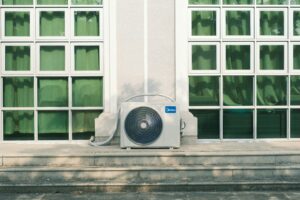
Rental property maintenance costs can be hard to predict. One month may only include a small plumbing repair. Another month may bring an HVAC failure, roof leak, appliance replacement, or emergency call after hours.
That is why property managers and rental owners need a maintenance budget, not just a repair fund. A good budget helps you plan routine work, prepare for emergencies, and protect the property from long-term damage.
There is no single average rental property maintenance budget that works for every property. The right number depends on the home’s age, size, location, systems, materials, tenant behavior, and repair history.
Still, there are practical budgeting rules you can use as a starting point. From there, you can adjust the numbers based on the actual condition of each property.
Why Rental Property Maintenance Costs Are Hard to Predict
Rental property maintenance costs change from property to property. A newer home with updated systems may need less work than an older home with aging plumbing, roofing, HVAC, and electrical components.
Location also matters. Properties in cold climates may need winterization, freeze prevention, and snow-related maintenance. Homes in hot or humid areas may need more HVAC service, pest control, moisture control, and exterior upkeep.
Material and labor costs also change over time. The U.S. Bureau of Labor Statistics tracks consumer prices through CPI and producer prices through PPI, both of which can affect the cost of materials, services, and repair work over time.
This is why property managers should review maintenance budgets every year. A budget that worked three years ago may not reflect current vendor rates, material prices, or property condition.
How Much Should You Budget for Rental Property Maintenance?
A common starting point is to budget 1% of the property value per year for maintenance and repairs. For example, a $300,000 rental property would need about $3,000 per year, or $250 per month.
Another common method is the $1 per square foot rule. Under this rule, a 1,800-square-foot rental would need about $1,800 per year, or $150 per month.
Some property owners also use broader rent-based rules. For example, the 50% rule estimates that about half of rental income may go toward total operating expenses. This is not a maintenance-only rule. It may include taxes, insurance, property management fees, vacancy, repairs, and other expenses.
These rules can produce very different numbers, so they should be treated as starting points. For many property managers, the best approach is to compare several estimates, then adjust the budget based on the property’s age, condition, systems, location, repair history, and actual risk.
Common Rental Property Maintenance Budget Rules
Here are the most common ways to estimate an average rental property maintenance budget.
| Budgeting method | How it works | Best use |
|---|---|---|
| 1% rule | Set aside about 1% of property value per year | Quick estimate for single-family rentals |
| Square-foot rule | Budget about $1 per square foot per year | Useful for similar homes in a portfolio |
| Rent multiplier | Set aside several months of rent per year | Useful for higher-end rentals or older homes |
| Expense ratio | Use a percentage of gross rent for operating costs | Useful for investors reviewing full property expenses |
| Property-specific budget | Build the budget from inspection history and system age | Best long-term method |
Belong’s 2025 article uses a similar “four lens” approach: property value, rent multiplier, expense ratio, and square footage. It also reports its own maintenance data from more than 15,000 work orders, with a median spend of $0.90 per square foot and an upper range around $1.27 per square foot for older homes or homes with deferred maintenance.
Those numbers are helpful as a reference, but they should not replace your own data. A rental with an old roof, older HVAC, and repeated plumbing problems will need a larger reserve than a recently renovated home.
Example: Average Rental Property Maintenance Budget
Let’s say you manage a single-family rental with these details:
- Property value: $300,000
- Size: 1,800 square feet
- Monthly rent: $2,000
Using common budgeting rules:
| Method | Estimated annual budget | Estimated monthly budget |
|---|---|---|
| 1% rule | $3,000 | $250 |
| $1 per square foot | $1,800 | $150 |
| 4x one month’s rent | $8,000 | $667 |
| 50% expense rule | $12,000 for total expenses | $1,000 for total expenses |
These numbers are very different because they measure different things.
The 1% rule and square-foot rule are closer to maintenance-only planning. The 50% rule is broader because it may include taxes, insurance, vacancy, property management fees, maintenance, and other operating expenses.
For a property manager, the safest approach is to start with a baseline, then adjust based on the property’s inspection history.
What Affects Rental Property Maintenance Costs?
Several factors can raise or lower the maintenance budget.
Property Age
Older homes usually need more maintenance. Plumbing, electrical systems, roofing, windows, HVAC equipment, and appliances all wear down over time.
If a home is more than 20 years old and major systems have not been updated, the maintenance reserve should be higher.
Property Size
Larger homes usually cost more to maintain. There is more roof area, more flooring, more exterior surface, more plumbing, more windows, and often more appliances or fixtures.
The square-foot rule can help property managers create a quick baseline across similar properties.
Location and Climate
Climate affects maintenance needs. Cold climates can bring frozen pipes, ice dams, snow removal, and heating-system risks. Hot climates can increase HVAC demand. Humid areas may need more pest control, moisture control, and exterior maintenance.
The American Red Cross recommends freeze-prevention steps such as insulating vulnerable pipes, opening cabinet doors so warm air can reach plumbing, and letting water drip from exposed-pipe faucets during severe cold. These risks should be reflected in winter maintenance budgets.
System Age and Condition
HVAC systems, water heaters, roofs, appliances, plumbing, and electrical systems have a major effect on repair costs.
A property with a 15-year-old HVAC system or aging water heater should not use the same maintenance budget as a newer home with recently replaced systems.
Tenant Behavior and Reporting
Tenants affect maintenance costs too. Fast reporting can keep a small leak from becoming water damage.
Delayed reporting can make repairs more expensive. For example, a slow leak under a sink can damage cabinets, flooring, drywall, and subfloors if no one reports it quickly.
Vendor Availability
Costs can rise when vendors are hard to schedule, especially for after-hours work or specialized trades.
Property managers should keep a reliable vendor list and track average costs by trade. This makes future budgeting more realistic.
Common Rental Property Maintenance Costs
Rental property maintenance costs usually fall into several categories.
Routine Maintenance
Routine maintenance includes regular work that keeps the property clean, safe, and functional.
Examples include landscaping, gutter cleaning, filter changes, pest prevention, minor plumbing fixes, small hardware repairs, and safety checks.
Preventive Maintenance
Preventive maintenance helps reduce larger repair costs later. This includes HVAC tune-ups, roof checks, drain checks, gutter cleaning, smoke and carbon monoxide detector checks, and plumbing inspections.
Preventive work may feel optional when the property is quiet. But it often costs less than emergency work.
Emergency Repairs
Emergency repairs are usually more expensive because they need fast response.
Common emergencies include burst pipes, sewer backups, HVAC failure during extreme weather, electrical hazards, roof leaks, broken locks, and major appliance failures.
Turnover Maintenance
Turnover maintenance happens between tenants. It may include cleaning, painting, flooring repairs, lock changes, appliance checks, safety device testing, and small repairs.
These costs can vary a lot. A well-maintained tenant-occupied property may only need light work. A neglected unit may need major repairs before it can be rented again.
Capital Repairs and Replacements
Capital repairs are larger expenses that usually happen less often. They may include roof replacement, HVAC replacement, water heater replacement, major appliance replacement, exterior painting, or larger plumbing and electrical work.
These should be planned separately from routine maintenance.
Repairs vs. Capital Improvements
Rental owners and property managers should separate repairs from capital improvements in their records.
The IRS says ordinary and necessary expenses for managing, conserving, or maintaining rental property may generally be deductible as rental expenses. It also says improvements and additions should be added to the property’s basis and handled differently from ordinary repairs.
The IRS also advises rental property owners to separate the costs of repairs and improvements and keep accurate records. This matters because owners may need improvement costs for depreciation or when selling the property.
This article is not tax advice. Property owners should work with a tax professional to classify expenses correctly.
How to Build a Rental Property Maintenance Budget
A good maintenance budget should be specific to each property.
Start with a simple baseline. Use the 1% rule, square-foot rule, or rent-based rule to estimate a starting number.
Then adjust based on the property’s condition.
Ask these questions:
- How old is the roof?
- How old is the HVAC system?
- How old is the water heater?
- Are there recurring plumbing issues?
- Has the electrical system been updated?
- Does the property have drainage problems?
- Is the property in a high-risk climate?
- How often do tenants submit maintenance requests?
- What did the property cost to maintain last year?
The first budget does not need to be perfect. It needs to be reviewed and improved every year.
Suggested Budget Categories
A useful rental property maintenance budget should include:
| Category | What to include |
|---|---|
| Routine maintenance | Landscaping, filters, small repairs, cleaning, pest prevention |
| Preventive maintenance | HVAC tune-ups, gutter cleaning, roof checks, drain checks |
| Emergency repairs | Leaks, HVAC failure, lockouts, sewer backups, electrical hazards |
| Turnover costs | Paint, cleaning, flooring, locks, appliance checks |
| Capital reserve | Roof, HVAC, water heater, appliances, major exterior work |
| Inspections | Move-in, move-out, routine, seasonal, post-storm checks |
| Vendor costs | Trip charges, labor rates, after-hours premiums |
| Compliance and safety | Smoke detectors, CO detectors, handrails, exterior lighting |
This structure gives you a more realistic view than one general maintenance line item.
How Preventive Maintenance Reduces Costs
Preventive maintenance does not remove all repair costs. It helps reduce avoidable emergencies.
A clogged gutter can lead to water intrusion. A dirty HVAC filter can strain the system. A small leak can turn into mold risk and cabinet damage. A loose handrail can become a safety issue.
HUD’s NSPIRE inspection model focuses on whether housing components are functional, operable, and free of health and safety hazards. Even if a property is not part of a HUD-assisted program, this is a useful way to think about maintenance priorities.
Water-related issues are among the easiest maintenance costs to underestimate. A small leak can quickly add expenses for drywall, flooring, cabinets, cleanup, and follow-up repairs. Because of that, plumbing checks, roof inspections, drainage reviews, and quick leak response should be part of the maintenance budget.
For property managers, preventive maintenance should focus on the issues that create the most risk: water, heat, cooling, electrical safety, locks, roof condition, drainage, and habitability.
How to Track Rental Property Maintenance Costs
Tracking is just as important as budgeting.
For every repair or inspection, record:
- property address
- date
- issue reported
- photos
- vendor assigned
- repair category
- cost
- invoice
- parts or materials used
- whether the repair was routine, emergency, turnover, or capital
- follow-up needed
Over time, this creates useful data. You can see which properties cost more, which vendors perform well, and which systems need replacement planning.
You can also use this data to explain budgets to owners. Instead of saying, “Maintenance is getting expensive,” you can show exactly where costs are going.
When to Increase the Maintenance Budget
A property’s budget should increase when risk increases.
Raise the budget when:
- the home is older
- the roof is near the end of its life
- HVAC equipment is aging
- the water heater is older
- plumbing repairs are recurring
- tenants report repeated issues
- the property has water intrusion history
- the area has severe weather
- turnover repairs are rising
- labor or material costs have changed
- the property has deferred maintenance
Do not wait for a major failure before adjusting the budget. It is easier to plan for replacement than to explain an emergency bill.
Common Budgeting Mistakes to Avoid
One common mistake is using one number for every property. A newer rental and an older rental should not have the same maintenance reserve.
Another mistake is treating capital replacements as surprises. Roofs, water heaters, HVAC systems, and appliances all have limited service lives.
Some owners also underbudget for turnover. Painting, cleaning, flooring, small repairs, and lock changes can add up quickly between tenants.
The biggest mistake is not tracking actual costs. Without repair history, every budget is just a guess.
Rental Property Maintenance Budget FAQ
There is no single average that fits every rental. Many owners start with the 1% rule or the $1 per square foot rule, then adjust based on property age, location, system condition, and repair history.
The 1% rule is a useful starting point, but it is not exact. A $300,000 rental would need about $3,000 per year under this rule. Older homes, homes in harsh climates, and homes with deferred maintenance may need more.
Divide your annual estimate by 12. For example, a $3,000 annual maintenance budget equals $250 per month. Add a separate reserve for large capital items like HVAC, roof, water heater, and appliance replacement.
The $1 per square foot rule estimates maintenance at about $1 per square foot per year. A 1,800-square-foot rental would need about $1,800 per year, or $150 per month.
Yes. Emergency repairs should have their own reserve. Plumbing leaks, sewer backups, HVAC failures, roof leaks, and electrical hazards can be expensive and need fast response.
Some repairs may be deductible as rental expenses, while improvements may need to be capitalized and depreciated. IRS Publication 527 explains rental property expenses, repairs, improvements, and recordkeeping. Property owners should confirm treatment with a tax professional.
Property managers can reduce avoidable costs by scheduling preventive maintenance, inspecting properties regularly, responding to leaks quickly, tracking repairs, using reliable vendors, and planning ahead for major replacements.
Rental property maintenance costs are easier to manage when you plan for them before problems happen.
Start with a simple budgeting rule, such as 1% of property value or $1 per square foot per year. Then adjust based on the property’s age, condition, location, systems, and repair history.
For property managers, the strongest budget is property-specific. Track each repair, separate routine work from capital replacements, review costs every year, and use preventive maintenance to reduce avoidable emergencies.