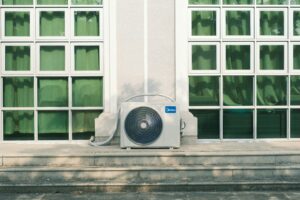
A seasonal home maintenance checklist helps property managers plan repairs before weather creates bigger problems. Each season affects rental properties differently. Spring can reveal winter damage, summer can strain HVAC systems, fall prepares homes for cold weather, and winter increases freeze and access risks.
For rental properties, seasonal maintenance is also an operations tool. It helps you schedule service providers earlier, reduce emergency calls, document property condition, and keep owners informed.
Use this guide as a year-round seasonal property maintenance framework for single-family rentals, vacant homes, and residential portfolios.
What Is Seasonal Home Maintenance?
Seasonal home maintenance is planned property upkeep based on the time of year. It focuses on the systems and exterior areas most likely to be affected by seasonal weather.
For property managers, seasonal maintenance usually includes HVAC service, plumbing checks, roof and gutter reviews, exterior safety checks, landscaping, pest prevention, storm preparation, and vacant-property monitoring.
The goal is to reduce preventable repairs. A seasonal checklist helps your team decide what to inspect, what to schedule, what to document, and when to involve a qualified service provider.
Why Seasonal Maintenance Matters for Rental Properties
Seasonal maintenance helps property managers reduce avoidable repair costs. A clogged gutter can contribute to drainage problems. A dirty HVAC filter can affect comfort and system performance. An exposed pipe can freeze. A small leak can spread behind cabinets, floors, or walls.
It also supports tenant satisfaction. Heating, cooling, plumbing, exterior lighting, locks, stairs, and walkways affect daily living. When those items are checked on a schedule, tenants are less likely to experience urgent problems.
For owners, seasonal maintenance creates a better record of property care. Photos, notes, completed tasks, invoices, and follow-up recommendations make maintenance decisions easier to explain.
Year-Round Maintenance Tasks Property Managers Should Track
Some maintenance items should stay on your radar all year. These are the tasks that help you catch issues before they become seasonal emergencies.
Monthly Checks
Monthly checks do not always require a full interior inspection. The goal is to review the active risk points for each property.
Track:
- open maintenance requests
- aging work orders
- tenant reports of leaks, pests, HVAC issues, or electrical concerns
- exterior lighting problems
- lock or access concerns
- safety issues on stairs, decks, railings, and walkways
- vacant-property visit reports
- unresolved vendor recommendations
This monthly review helps your team see which properties need attention before the next seasonal inspection.
Quarterly or Routine Checks
Routine checks should focus on visible property condition and recurring risks. For single-family rentals, this usually includes exterior areas, gutters, drainage, landscaping, HVAC performance, plumbing concerns, and signs of tenant-reported problems.
For vacant homes, use a more hands-on process. Check for break-ins, pests, water stains, roof leaks, HVAC failure, yard violations, and storm damage. A vacant home can develop serious damage before anyone reports it.
Spring Seasonal Home Maintenance Checklist
Spring maintenance should focus on damage left by winter and preparation for rain, pests, and warmer weather.
Start outside. Look for roof damage, loose gutters, clogged downspouts, siding damage, drainage problems, cracked walkways, loose railings, damaged screens, and landscaping overgrowth.
Then check moisture-prone interior areas. Look under sinks, around toilets, near water heaters, below windows, in basements, around laundry hookups, and near ceiling stains.
Spring tasks for rental properties:
- inspect roof and gutters from the ground
- clear downspouts and confirm drainage direction
- check for exterior cracks, gaps, and siding damage
- test exterior hose bibs
- check for winter-related plumbing leaks
- inspect decks, stairs, railings, and walkways
- review landscaping and overgrowth
- look for pest activity
- schedule cooling system service
- document any winter damage with photos
Spring HVAC Maintenance
Spring is the best time to prepare cooling systems before peak summer demand. Schedule cooling inspections early, check filter condition, confirm thermostat operation, and look for weak airflow or tenant reports of uneven cooling. Annual pre-season HVAC checkups are recommended to keep systems performing well and avoid scheduling delays during peak seasons.
For property managers, spring HVAC maintenance should answer four questions:
- Is the system cooling properly?
- Are filters, vents, and outdoor units clear?
- Are there signs of leaks, blocked drain lines, or unusual noise?
- Is there repair history that suggests a bigger issue?
If a property had repeated AC calls last summer, schedule review before the first heat wave.
Summer Seasonal Home Maintenance Checklist
Summer maintenance should focus on heat, cooling performance, storms, pests, exterior safety, and landscaping.
For property managers, the highest-priority summer tasks are usually HVAC checks, storm drainage, pest prevention, and exterior safety. These items create the most urgent tenant complaints and can become expensive if ignored.
Summer tasks for rental properties:
- review AC performance and tenant comfort complaints
- keep outdoor HVAC units clear of weeds, shrubs, and stored items
- check gutters and downspouts after heavy rain
- inspect roof edges, flashing, and visible storm damage
- remove standing water around the property
- check exterior lighting, stairs, decks, railings, and walkways
- trim vegetation away from siding, rooflines, and HVAC units
- inspect windows, screens, locks, and doors
- monitor pest complaints and entry points
- update emergency vendor contacts before storm season
Pest and Standing Water Checks
Standing water should be removed during summer inspections. Mosquitoes can lay eggs in water-holding items such as buckets, planters, toys, pools, birdbaths, flowerpot saucers, tires, and trash containers. These items should be emptied, covered, turned over, or removed on a regular schedule.
At rental properties, check:
- clogged gutters
- low spots in the yard
- containers near garages or sheds
- unused planters
- trash areas
- old tires
- tarps or covers that collect water
- irrigation leaks
- birdbaths or decorative water features
This is also a good time to check screens, door sweeps, crawl space openings, and gaps around utility penetrations.
Summer Storm and Heat Preparation
A useful summer plan should tell your team what to do before, during, and after high-heat or storm events.
Before peak summer conditions, confirm:
- after-hours maintenance coverage
- HVAC contractor availability
- storm-response vendors
- owner approval limits for urgent work
- tenant instructions for reporting AC failure, leaks, and storm damage
- access instructions for vacant homes
- exterior items that may need securing
- tree limbs near roofs or power lines
- sump pump or drainage concerns where applicable
For extreme heat, property managers should know which homes have older HVAC systems, repeated cooling complaints, poor insulation, or vulnerable occupancy situations.
Summer preparedness planning should include heat-related communication and emergency-response procedures. For extreme heat, identify properties with older HVAC systems, past cooling complaints, poor insulation, or tenants who have already reported comfort issues. Before a heat wave, send tenants clear instructions on how to report AC problems, what details to include, and what to do if cooling stops working. Also confirm which vendors can handle urgent cooling calls and what spending limits apply before owner approval is needed.
After storms, prioritize roof leaks, water intrusion, broken windows, downed limbs, electrical hazards, and blocked access points.
Read More: Summer Home Maintenance Checklist for Rental Properties
Fall Seasonal Home Maintenance Checklist
Fall maintenance prepares rental properties for colder weather, falling leaves, heavy rain, and winter service needs.
This is the season to clean gutters, check heat, review exterior sealing, prepare plumbing, and plan winter response. If you wait until the first freeze, service providers may already be booked.
Fall tasks for rental properties:
- clean gutters after leaves fall
- check downspouts and drainage extensions
- inspect roof, flashing, and visible storm damage
- trim branches away from rooflines and siding
- check weatherstripping and exterior caulking
- inspect doors, windows, locks, and thresholds
- schedule heating system service
- inspect stairs, decks, railings, and exterior lighting
- prepare snow and ice response plans
- identify vacant homes that need winterization
- check exposed plumbing in crawl spaces, basements, garages, and exterior walls
Fall HVAC Seasonal Maintenance
Fall HVAC seasonal maintenance should focus on heating readiness.
Check:
- thermostat response
- filter condition
- heating startup
- airflow
- blocked vents
- unusual smells or sounds
- visible equipment damage
- tenant reports from the prior winter
- service history
Fuel-burning heating systems should be handled with care. If there are signs of gas odor, poor venting, damaged equipment, combustion concerns, or carbon monoxide alarm issues, use a qualified professional.
Winter Seasonal Home Maintenance Checklist
Winter maintenance should focus on heat, freeze prevention, snow and ice safety, storm response, and vacant-property checks.
Occupied rentals need clear tenant communication. Tenants should know how to report heat outages, water leaks, frozen pipes, broken locks, and unsafe exterior access.
Vacant homes need more frequent monitoring. Without a tenant present, a heat failure, roof leak, burst pipe, or break-in may not be noticed quickly.
Winter tasks for rental properties:
- confirm heat is working in occupied homes
- monitor vacant homes during freeze periods
- check exposed plumbing and vulnerable areas
- review snow and ice response
- inspect exterior stairs, railings, walkways, and lighting
- watch for roof leaks after snow, ice, or heavy rain
- check basements and crawl spaces for moisture
- confirm emergency vendor availability
- document storm-related damage
- inspect gutters and drainage when safe
Winter storms can bring freezing rain, snow, ice, high winds, and extreme cold. Property managers should plan for unsafe access, power interruptions, heating issues, and emergency repairs before these events happen.
Frozen Pipe Prevention
Frozen pipes are one of the most expensive winter risks for rental properties.
During cold-weather planning, check:
- pipes in garages
- pipes along exterior walls
- crawl spaces
- basements
- attics
- vacant homes
- exterior hose bibs
- poorly insulated utility areas
Freeze-prevention steps can include keeping garage doors closed when water lines are present, opening cabinet doors so warm air can reach plumbing, and allowing cold water to drip from faucets served by exposed pipes during very cold weather.
Property managers should also make sure tenants know how to report low water flow, no water, leaks, or signs of freezing.
Seasonal Plumbing Maintenance for Rental Properties
Seasonal plumbing maintenance helps reduce leaks, water damage, and emergency repairs.
In spring, check for leaks after freezing weather. Test exterior faucets, inspect under sinks, review water heater areas, and look for stains, soft flooring, or musty odors.
In summer, review irrigation lines, exterior hose bibs, slow drains, sewer smells, and tenant reports of backups.
In fall, prepare vulnerable plumbing for cold weather. Disconnect hoses, check exterior faucets, review crawl spaces, and identify vacant homes that may need winterization.
In winter, monitor exposed pipes and respond quickly to freeze risks. For vacant properties, the plan may include water shutoff, draining, or full winterization based on property condition and climate.
A strong seasonal plumbing maintenance process should include shutoff valve location, tenant leak-reporting instructions, service provider contacts, and photo documentation.
Seasonal HVAC Maintenance for Rental Properties
Seasonal HVAC maintenance helps reduce emergency calls during peak heating and cooling months.
A basic HVAC seasonal maintenance plan should include:
- spring cooling check
- summer AC performance monitoring
- fall heating check
- winter heat outage response
- filter schedule
- thermostat checks
- drain line review
- outdoor unit clearance
- tenant comfort complaints
- system repair history
For property managers, timing matters. Schedule HVAC service before peak demand. If a system has repeated service calls, weak airflow, or tenant complaints, document the issue and plan ahead instead of waiting for failure.
Seasonal Maintenance for Vacant Properties
Vacant properties need a separate seasonal maintenance plan. No tenant is present to report leaks, pests, break-ins, or HVAC problems.
In spring and summer, check landscaping, pests, water intrusion, roof leaks, storm damage, humidity, and unauthorized entry.
In fall and winter, check heat, plumbing, exterior access, frozen-pipe risk, roof condition, snow and ice issues, and signs of water damage.
Moisture should be taken seriously in vacant homes because leaks may go unnoticed. Wet materials should be dried quickly, and the water source should be corrected to reduce mold risk.
Every vacant-property visit should include photos of the exterior, access points, utility areas, visible damage, and any work needed.
Fire, Pool, and Outdoor Safety Checks
Some seasonal risks depend on the property’s features. If a rental has grills, pools, decks, or outdoor common areas, add those items to the seasonal checklist.
Grill and Outdoor Cooking Areas
If grills are allowed, review where they can be used and stored. Grill rules should address distance from the structure, balconies, decks, overhangs, siding, fences, and propane storage.
Gas grill fires can involve leaks or breaks, so property managers should make sure tenant rules and local requirements are clear.
Pools, Spas, and Hot Tubs
If the property has a pool, spa, or hot tub, check barriers, gates, latches, covers, alarms where applicable, lighting, and visible hazards.
Residential pool barriers help reduce the risk of unsupervised child access to pools and spas. Property managers should also check local pool safety requirements, lease rules, HOA rules, and insurance expectations.
Decks, Railings, and Walkways
Outdoor areas get more use in warm weather and become more hazardous in wet or icy conditions.
Check:
- loose handrails
- weak deck boards
- cracked concrete
- uneven walkways
- poor exterior lighting
- damaged stairs
- slippery surfaces
- trip hazards
- missing guards where required
Document safety issues and assign repairs promptly.
How Property Managers Should Document Seasonal Maintenance
A checklist is only useful when the work is documented. Good records help owners understand why repairs were recommended and help teams track recurring issues.
For each seasonal inspection, record:
- property address
- inspection date
- season
- areas checked
- photos
- tenant-reported issues
- vendor notes
- repairs completed
- estimates needed
- owner approvals
- follow-up tasks
- access limitations
Use wide photos for context and close-up photos for damage. If an area cannot be inspected, explain why. Common reasons include locked access, tenant refusal, unsafe conditions, weather, or blocked areas.
Quick Seasonal Home Maintenance Checklist
| Season | Main focus | Key tasks |
|---|---|---|
| Spring | Recovery after winter | Roof, gutters, drainage, leaks, exterior damage, cooling prep |
| Summer | Heat, storms, pests | HVAC checks, standing water, landscaping, storm response |
| Fall | Winter preparation | Gutters, heating, sealing, roof review, pipe protection |
| Winter | Freeze and safety risks | Heat, exposed pipes, snow and ice, vacant-property checks |
Use this table as a starting point. Adjust the checklist based on climate, property age, occupancy status, lease terms, and repair history.
Common Seasonal Maintenance Mistakes to Avoid
One common mistake is scheduling too late. HVAC, roofing, plumbing, landscaping, and snow-removal providers can get busy before peak season.
Another mistake is relying only on tenant complaints. Tenants may not see roof issues, gutter clogs, drainage problems, or exterior damage.
Poor documentation is also a problem. Without photos and notes, it becomes harder to explain repair needs to owners or compare property condition over time.
Do not treat vacant properties like occupied homes. Vacant homes need more frequent checks because problems can stay hidden longer.
Finally, avoid using the same checklist for every property. Older homes, storm-prone areas, cold climates, and properties with recurring maintenance history need closer attention.
Seasonal Home Maintenance FAQ
A seasonal home maintenance checklist is a year-round list of maintenance tasks organized by season. It helps property managers prepare rental homes for weather changes, reduce emergency repairs, and track recurring maintenance needs.
Property managers should inspect HVAC, plumbing, roof, gutters, drainage, exterior areas, doors, windows, safety devices, landscaping, pests, and vacant-property conditions. The focus should change based on the season.
Seasonal property maintenance helps reduce avoidable repairs, protect tenants, support owner reporting, and keep rental homes in better condition throughout the year.
Spring maintenance should include roof and gutter checks, drainage review, exterior damage inspection, leak checks, pest prevention, landscaping review, and cooling system preparation.
Fall maintenance should focus on winter preparation. Clean gutters, inspect the roof, check weatherstripping, prepare heating systems, trim branches, review exterior safety, and plan winterization for vacant homes.
Seasonal HVAC maintenance means preparing heating and cooling systems before peak use. Cooling systems should be checked before summer, and heating systems should be checked before winter when possible.
Seasonal plumbing maintenance means checking plumbing risks that change by season. This may include leak checks in spring, irrigation and exterior faucet checks in summer, pipe protection in fall, and freeze prevention in winter.
Inspection frequency depends on lease terms, local rules, property condition, and owner expectations. Many property managers use move-in, move-out, seasonal, exterior, and follow-up inspections.
Yes. Vacant properties often need more frequent seasonal checks because leaks, pests, break-ins, HVAC issues, and weather damage may not be reported by tenants.
A seasonal home maintenance checklist helps property managers plan work before weather creates bigger problems. It also makes maintenance easier to document and easier to explain to owners.
Start with HVAC, plumbing, roof, gutters, drainage, exterior safety, pests, and vacant-property checks. Then adjust the plan based on property condition, local climate, and repair history.
The best seasonal maintenance process is simple, repeatable, and documented. That is what helps rental properties stay safer, more comfortable, and easier to manage throughout the year.