Table of Contents
Key Takeaways
- Preventive maintenance in property management is scheduled work done before something fails—so you’re not stuck reacting to “no heat,” leaks, or electrical hazards after the fact.
- A consistent preventive maintenance program reduces emergencies and after-hours calls, because more issues get caught during planned visits instead of turning into urgent, higher-cost repairs.
- Your biggest ROI comes from protecting major systems (HVAC, roofs/gutters, water heaters, plumbing, and exterior surfaces) where small problems can quickly become expensive damage.
- Use a property management preventive maintenance checklist that covers the core risk areas: HVAC, plumbing/water, electrical/lighting, exterior, and safety systems.
- Turn the checklist into a repeatable schedule (monthly/ongoing checks + quarterly walkthroughs + seasonal system tune-ups) by converting tasks into recurring work orders and assigning them to vendors or staff.
- Clarify responsibilities upfront: owners are ultimately responsible for habitability, property managers typically design/coordinate the program and track costs, and vendors perform the work
- Preventive maintenance also reduces compliance and liability risk by baking safety checks (detectors, locks, lighting, trip hazards, moisture/mold indicators) into your routine visits.
- Budget for preventive work and refine with data over time—even a simple starting budget is better than none, and tracking results helps improve forecasting and planning.
When most people think about maintenance, they think about fixing things when they break.
Property managers know that’s the most expensive way to operate.
Preventive maintenance is how you get ahead of problems, reduce emergencies, protect owners’ assets, and give tenants a better living experience. In the single-family rental (SFR) world, where homes are scattered and systems age at different speeds, having a clear preventive plan isn’t a “nice-to-have” — it’s the only way to stay sane.
This guide walks you through:
-
- What preventive maintenance really means in a residential PM context
-
- Why it matters so much for SFR portfolios
-
- The main systems you should focus on (HVAC, plumbing, exterior, safety, etc.)
-
- A ready-to-use preventive maintenance checklist you can adapt
-
- How to turn that checklist into a recurring program and integrate it into your workflows and budget
What Is Preventive Maintenance in Residential Property Management?
Preventive maintenance is the work you do on a planned schedule to keep systems and components in good condition, before tenants call you with a problem.
Preventive vs. reactive vs. emergency maintenance
Reactive maintenance
You fix something after it fails.
Example: tenant calls because there’s no hot water; you send a plumber.
Emergency maintenance
A subset of reactive maintenance that’s urgent and safety- or habitability-related.
Example: major leak, no heat in winter, electrical hazard, sewer backup.
Preventive maintenance
Scheduled tasks performed regularly to reduce the risk and cost of those failures.
Example: annual HVAC tune-ups, gutter cleaning, checking for slow leaks, testing detectors.
In a healthy SFR portfolio, you’ll still have reactive and emergency work — but preventive maintenance shrinks the volume and severity of those calls.
For single-family properties, preventive maintenance touches the whole lifecycle:
-
Before move-in: make-ready and initial condition checks
-
During tenancy: recurring inspections and scheduled service visits
-
At move-out: final inspections and planning repairs or replacements
-
Between tenancies: larger repairs and capital upgrades
Instead of treating each property as a one-off fire drill, preventive maintenance helps you handle SFR as a repeatable process, even when homes are scattered across multiple neighborhoods or regions.
Who is responsible: owner, property manager, vendors, tenants
In the US, the owner is ultimately responsible for providing a safe, habitable home.
The property manager is usually responsible for:
-
Designing and implementing the preventive maintenance plan
-
Choosing and coordinating vendors or in-house staff
-
Communicating with owners and tenants
-
Tracking work and costs
Tenants may have small upkeep responsibilities (changing easy-to-reach filters, replacing light bulbs, reporting issues early), but they shouldn’t be responsible for system-level preventive maintenance. Vendors or maintenance staff perform the actual work. In larger or geographically spread SFR portfolios, many property managers rely on centralized residential property maintenance services to handle recurring preventive tasks—HVAC servicing, plumbing inspections, exterior upkeep, and safety checks—while the PM team focuses on oversight, communication, and budgeting.
Your job as PM is to connect all those pieces into one coherent plan.
Why Preventive Maintenance Matters for Single-Family Rentals
If you manage single-family rentals, you already know maintenance is one of your biggest time and cost drivers. Preventive maintenance directly improves:
1. Fewer emergencies and after-hours disruptions
A well-run preventive program means:
- More issues caught early during scheduled visits
- Fewer “no heat,” “no AC,” or “flood in the bathroom” calls at 10 pm
- Less scrambling to find vendors who can respond immediately
You can’t eliminate emergencies, but you can avoid the completely predictable ones.
2. Protecting property value and major systems
Single-family homes have a limited number of big-ticket items:
- HVAC systems
- Roofs and gutters
- Water heaters
- Plumbing infrastructure
- Exterior surfaces (siding, paint, stucco)
Ignoring minor issues leads to:
- Shorter lifespan of major systems
- More extensive damage (e.g., small roof leak → ruined drywall, floors, mold)
- Higher capex and unhappy owners
Preventive maintenance is how you slow down the wear-and-tear clock.
3. Compliance and safety
Many preventive tasks overlap with safety and code:
- Testing smoke and CO detectors
- Checking handrails, steps, and walkways
- Verifying proper locks and lighting
- Inspecting for visible signs of moisture and mold
If you bake these checks into your preventive plan, you’re not just “keeping the place nice” — you’re reducing legal and regulatory risk for your owners and your company.
Core Areas of Preventive Maintenance in Single-Family Homes
Here are the main categories to include in your preventive maintenance program:
HVAC systems (heating and cooling)
- Seasonal tune-ups (heating before winter, cooling before summer)
- Filter changes (either handled by your team/vendors or clearly assigned to tenants)
- Checking thermostat operation
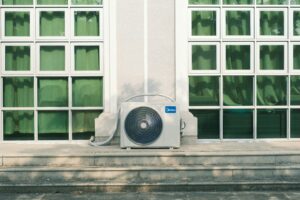
- Inspecting visible ductwork, condensate drains, and outdoor units
- Listening for unusual noises and checking for short-cycling.
Read More: HVAC Preventive Maintenance Guide for Rental Properties
Plumbing and water systems
- Checking for visible leaks under sinks, around toilets, and at water heater
- Inspecting supply lines and shutoff valves
- Testing water pressure and drainage in key fixtures
- Inspecting exterior hose bibs and irrigation connections
- For cold climates: ensuring freeze-protection measures are in place
Read More: Plumbing Preventive Maintenance for Property Managers
Electrical and lighting
- Spot-checking outlets and switches in problem areas
- Testing GFCI/GFI outlets in kitchens, bathrooms, garages, and exteriors
- Checking exterior and entry lighting for proper function
- Ensuring electrical panels are accessible and labeled
Read More: Electrical Preventive Maintenance for Residential Property Managers
Exterior envelope and structure
- Inspecting roof surfaces (from ground or safely accessible vantage points)
- Cleaning and inspecting gutters and downspouts
- Checking siding, paint, caulking, and weatherstripping
- Looking for grading/drainage issues around the foundation
- Inspecting fences, decks, patios, and railings
Safety systems and general safety
- Testing smoke and CO detectors; replacing batteries or units as needed
- Confirming correct placement (bedrooms, hallways, each level per local code)
- Checking stairways, railings, and handrails for sturdiness
- Ensuring walkways are even and well-lit
- Verifying locks and latches on doors and accessible windows
You’ll see these same categories reflected in the checklist below.
Preventive Maintenance Checklist for Single-Family Rental Properties
This checklist is designed for property managers overseeing single-family rentals.
You can adapt it per property and per region, but the basic structure stays the same.
How to Use this Checklist
- Treat it as a starting point, not a rigid rulebook.
- For each property, note: age, climate, special features (pool, large yard, etc.)
Owner preferences and budget
Monthly / Ongoing Checks
These can be done during other visits (showings, inspections, minor repairs) or as part of a routine drive-by/quick visit program.
- Ask tenants about any new or recurring issues (leaks, noises, smells)
- Quick visual check of:
- Exterior (obvious damage, missing shingles, broken windows)
- Yard/landscaping (overgrowth affecting the building, drainage concerns)
- Confirm exterior and entry lights work
- Confirm smoke/CO detectors are present and not obviously damaged
Quarterly Checks
Depending on scale, these can be bundled by region:
- Walkthrough of interior common areas:
- Look for signs of moisture damage (ceilings, around windows, near plumbing)
- Check under-sink cabinets for leaks or soft flooring
- Spot-check GFCI outlets and test buttons
- Check accessible windows and doors for latch/lock function
- Check HVAC filter (or confirm tenant replacement if that’s their responsibility)
Semi-Annual Checks (Typically Spring and Fall)
- HVAC service visit (once for heating season, once for cooling season, depending on your climate):
- Tune-up, cleaning, basic safety checks
- Gutters and roofline:
- Clean gutters and downspouts
- Check visible roof areas for missing/curled shingles or damage
- Exterior sealing:
- Inspect caulking around windows/doors
- Check weatherstripping on exterior doors
- Safety systems:
- Test smoke detectors and CO detectors
- Replace batteries or units as needed (per manufacturer guidance and local law)
Annual Checks
Once a year, do a full-property preventive inspection:
- Full interior walkthrough:
- Walls, ceilings, floors, windows, doors
- plumbing fixtures, appliances, under-sink areas
- Full exterior walkthrough:
- Siding, paint, trim, decks, railings, fencing
- Foundation and grading/drainage
- Major systems:
- Review age and condition of HVAC, water heater, roof, major appliances
- Update your maintenance and capital forecast:
- Which systems are likely to need replacement in 1–3 years?
- Which areas are showing repeated issues?
Tip: Turn this annual check into a standardized form (digital or paper) with photo uploads. That makes it easier to show owners trends over time.
Designing a Preventive Maintenance Program for Your Portfolio
A checklist is helpful, but a program is what makes it sustainable.
Think of your program as:
Checklist + Frequency + Assignment + Tracking.
Group tasks by frequency
Take the checklist and tag each item as:
- Monthly / ongoing
- Quarterly
- Semi-annual
- Annual
You now have a simple calendar for each property.
Adjust for property age, condition, and climate
Not every home needs the same intensity:
- Older homes → more frequent checks
- Homes in harsh climates → more seasonal work
- Homes with special features (pools, complex landscaping, older roofs) → extra line items.
You can create 2–3 “profiles” or tiers (e.g., basic / standard / intensive) and assign each property to a tier.
Assign responsibility
Decide who does what:
- In-house maintenance staff vs. external vendors
- Tenant responsibilities (if any – e.g. basic filter changes, battery replacements, if you choose that model)
- PM team tasks (inspections, documentation, scheduling)
Document this so your team and your owners see a consistent plan, not ad-hoc decisions.
A preventive maintenance strategy should also define how tenants report issues and what basic information they need. For example, tenants should know how to submit maintenance requests, when to report leaks or unusual system behavior, and where the main water shutoff is located when practical. Clear tenant communication helps property managers catch problems earlier and reduce emergency damage.
Integrating Preventive Maintenance into Your Workflows & Technology
A plan is only as good as your ability to execute it at scale.
In your property management or maintenance software (or even a spreadsheet if you’re early-stage):
Create recurring work orders for:
- HVAC tune-ups
- Semi-annual gutter cleaning
- Annual full-property inspections
- Seasonal tasks (winterization, storm prep)
Set them to automatically generate with enough lead time to schedule vendors.
Read More: Building a Preventive Maintenance Schedule for Property Managers
Tag and separate preventive vs reactive
Make sure you can filter work orders by type:
- Preventive
- Reactive
- Emergency
Over time you’ll be able to see:
- How much of your maintenance volume is preventive vs reactive
- Whether your preventive work is actually reducing emergencies
Keep tenants and owners in the loop
Use your system (or basic email) to:
- Notify tenants in advance of scheduled preventive visits
- Notify owners that preventive work is scheduled/completed
- Share highlight photos or brief notes from major visits (e.g., “Your roof is in good shape; no issues noted this year.”)
Budgeting for Preventive Maintenance
You don’t need perfect math to start — but you do need some budget earmarked for preventive work.
Allocate a portion of the maintenance budget to preventive tasks
Even a simple approach like this is helpful:
- Expect X% of rent or $Y per property per year for maintenance overall
- Decide what portion you’ll dedicate to preventive vs reactive
- Track over time: are emergencies going down as preventive spend goes up?
Use data to refine over time
As you collect 12–24 months of data:
- Identify properties where preventive work is paying off (fewer emergencies)
- Spot properties that consistently overspend and may need capital upgrades
- Adjust preventive intensity (more/less frequent visits) based on actual results
Rolling Out a Preventive Maintenance Plan: Step-by-Step
Start simple and build up.
Step 1 – Audit the last 6–12 months
- How many emergency/urgent calls did you have?
- What types of issues recur (HVAC, leaks, roof, etc.)?
- Which properties account for most of the pain?
Step 2 – Build a basic checklist
Use the checklist in this guide:
- Start with HVAC, plumbing, roof/gutters, and safety systems
- Add 1–2 items that would have prevented your most common emergencies
Step 3 – Turn it into recurring tasks
- Add recurring work orders in your system for 1–2 key preventive visits per year
- Pilot on a small group of properties first
Step 4 – Refine and expand
After one cycle:
- What worked smoothly?
- What was hard to schedule?
- What did vendors/tenants/owners push back on?
Adjust your plan, then roll it out to more properties.
Next Steps for Property Managers
If you’ve made it this far, you’re already ahead of a lot of operators who just react to problems.
Next moves:
Customize the checklist for your portfolio.
- Create at least one preventive visit per property in the next 6–12 months (HVAC + safety is a great start).
- Start small, prove the value (fewer emergencies, better owner feedback), and then build your full preventive maintenance program.
- All of those plug into the same goal: fewer surprises, more control, and better results for your owners and tenants.
Whether you execute preventive maintenance with in-house teams, local vendors, or nationwide residential property maintenance services, the key is consistency, documentation, and follow-through.