Home improvements can raise property value, but not every project pays off in the same way. Some upgrades improve resale value. Others help reduce maintenance costs, attract better tenants, or make a property easier to manage.
That matters whether you own one home, manage a rental portfolio, or advise property owners. The best projects usually balance visual appeal, function, durability, and cost.
Recent remodeling data also shows a clear pattern. Exterior projects, including garage doors, steel entry doors, and manufactured stone veneer, performed especially well in the 2025 Cost vs. Value Report. These upgrades can improve first impressions without requiring a full interior remodel. (Zonda)
In this guide, we’ll look at the home improvements that increase value and explain how to prioritize them.
What Makes a Home Improvement Add Value?
A home improvement adds value when it makes the property more attractive, functional, efficient, or easier to maintain. Value can show up in several ways.
For a homeowner, value may mean a higher resale price. For a property manager or investor, value may also mean fewer repair calls, faster leasing, better tenant satisfaction, or lower operating costs.
The right improvement depends on the property’s condition, location, and likely buyer or renter expectations. A luxury kitchen may make sense in one market and be unnecessary in another. A durable flooring upgrade may be more valuable in a rental than a high-end custom finish.
Before you start any project, ask a simple question. Will this improvement help the property look better, work better, cost less to maintain, or compete better in the local market?
High-ROI Home Improvements to Consider First
Some projects tend to perform well because they improve curb appeal and are easy for buyers or renters to notice. These upgrades often make a strong first impression without changing the whole property.
1. Garage Door Replacement
A garage door can have a major effect on curb appeal. It takes up a large part of the exterior, especially on front-facing garages.
Replacing an old or damaged garage door can make the home look cleaner and more current. It can also improve function if the old door is noisy, dented, or unreliable.
The 2025 Cost vs. Value Report ranked garage door replacement as the top project for resale value for the second year in a row.
Steel Entry Door Replacement
A front door affects both appearance and security. A worn, damaged, or outdated door can make the property feel neglected.
A steel entry door can improve the entrance, strengthen security, and create a cleaner exterior look. For rental properties, this upgrade can also support durability and reduce future maintenance concerns.
Zonda’s 2025 report placed steel entry door replacement among the top resale-value projects, behind garage door replacement.
Manufactured Stone Veneer
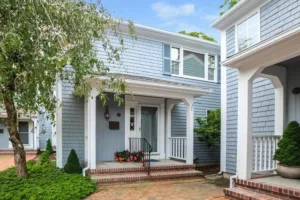
Manufactured stone veneer can make a property look more polished from the street. It is often used around entryways, lower facade sections, porch columns, or exterior accents.
This project works best when it fits the home’s style and neighborhood. A small, well-placed exterior upgrade can often do more than a costly project that feels out of place.
Manufactured stone veneer also ranked near the top of the 2025 Cost vs. Value Report.
Minor Kitchen Remodel
Kitchen upgrades often matter because buyers and renters spend a lot of time there. Still, a full luxury remodel is not always the best use of money.
A minor kitchen remodel can include cabinet refinishing, new hardware, updated lighting, fresh paint, modern fixtures, and practical countertop improvements. These changes can make the space feel newer without overspending.
For managed properties, durable materials matter. Choose finishes that can handle regular use and are easy to clean or replace.
Bathroom Updates
Bathrooms are another high-impact area. A clean, bright, functional bathroom can improve the overall feel of the home.
You do not always need a full remodel. New fixtures, fresh caulk, updated lighting, a modern mirror, and a better vanity can make a noticeable difference.
For rental and managed homes, focus on water-resistant materials and easy maintenance. Small leaks, poor ventilation, and worn caulking can create bigger costs later.
Siding Replacement or Repair
Siding affects curb appeal, weather protection, and long-term maintenance. Damaged or faded siding can make the property look older than it is.
If full replacement is too expensive, targeted repairs may still help. Fix cracked sections, repaint where needed, and address any gaps that let in moisture.
Siding is especially important for property professionals because it protects the asset, not just the appearance.
Low-Cost Home Improvements That Can Increase Value
Not every valuable improvement requires a large budget. Smaller updates can make a property feel cleaner, newer, and better cared for.
Fresh Interior Paint
Fresh paint is one of the simplest ways to improve a home’s appearance. Neutral colors usually work best because they appeal to more people.
Paint can also help cover wear from previous occupants. That is useful for rental turnover, listings, and owner updates.
The National Association of Realtors has found that interior painting can score highly for homeowner satisfaction. Projects like painting and hardwood floor refinishing received top Joy Scores in its Remodeling Impact Report. (cms.nar.realtor)
Updated Fixtures and Hardware
Small hardware updates can make kitchens, bathrooms, and entry areas feel more current. Cabinet pulls, faucets, towel bars, door handles, and light fixtures are common examples.
These updates are useful because they are visible and relatively simple. They can also help older properties feel more aligned with buyer or renter expectations.
Keep the style simple and consistent. A clean, modern look usually works better than a very personal design.
Improved Lighting
Lighting affects how a property feels during showings, inspections, and daily use. Dark rooms can feel smaller and less welcoming.
Focus on entryways, kitchens, bathrooms, hallways, and exterior areas. Better lighting can also support safety around stairs, walkways, and parking areas.
For property managers, exterior lighting deserves steady attention. It can affect resident comfort and reduce complaints.
Curb Appeal Refresh
Basic curb appeal updates can change how people view the whole property. Lawn care, trimmed shrubs, clean walkways, fresh mulch, and a tidy entrance all help.
These updates are especially useful before listing, leasing, or inspections. They show that the property is cared for.
A neglected exterior can make people question the condition of the inside. A clean exterior builds confidence before they enter.
Flooring Repairs or Refinishing
Flooring gets a lot of wear. Scratched hardwood, stained carpet, or damaged vinyl can make a property feel poorly maintained.
Refinishing hardwood can be a strong choice when the existing floor is worth saving. In rental settings, durable vinyl plank can also make sense because it handles traffic well.
Choose flooring based on the property type. A high-end finish may not be the best fit for every home or rental.
Maintenance-Focused Improvements That Protect Property Value
Some improvements increase value by preventing bigger problems. These projects may not always feel exciting, but they protect the property over time.
For property managers and investors, this type of value matters a lot. A home that looks nice but has failing systems can become expensive fast.
HVAC Updates or Replacement
Heating and cooling systems affect comfort, operating costs, and tenant satisfaction. An unreliable HVAC system can lead to emergency calls and expensive repairs.
If replacement is not needed yet, regular service can still protect value. Filter changes, seasonal tune-ups, and duct checks can extend system life.
A well-maintained HVAC system is also a strong selling point. Buyers and renters often ask about age and condition.
Roof and Gutter Repairs
Roof problems can lead to water damage, mold, ceiling repairs, and structural issues. Gutters matter because they move water away from the property.
Fix missing shingles, clogged gutters, damaged flashing, and drainage issues early. These repairs can prevent much larger costs.
A roof does not need to be new to support value. It needs to be sound, documented, and properly maintained.
Plumbing Fixes
Small plumbing issues can become expensive when ignored. Leaky faucets, slow drains, running toilets, and worn supply lines all deserve attention.
For managed properties, plumbing repairs can also reduce tenant complaints. Water issues create stress quickly because they affect daily life.
A good maintenance plan should track repeated plumbing issues. Recurring problems may point to aging pipes, poor fixtures, or deeper system concerns.
Electrical Safety Updates
Electrical updates can protect residents and reduce risk. Outdated outlets, faulty switches, overloaded circuits, and flickering lights should never be ignored.
Use licensed electricians for technical electrical work. Property staff can report visible issues, but trained professionals should handle repairs and panel work.
Electrical safety upgrades may not always be visible, but they support long-term property value and habitability.
Exterior Sealing and Weatherproofing
Gaps, cracks, damaged caulk, and poor sealing can let in water, pests, and drafts. These problems can raise repair costs over time.
Weatherproofing may include caulking, sealing windows and doors, repairing trim, and closing exterior gaps. These are practical improvements with long-term benefits.
They are especially useful across rental portfolios because small issues can spread when inspections are inconsistent.
Energy-Efficient Improvements That Add Long-Term Value
Energy-efficient upgrades can improve comfort and reduce utility costs. They can also appeal to buyers and renters who care about monthly expenses.
Energy-Efficient Windows
Old windows can create drafts, noise, and higher energy bills. Replacing them can improve comfort and exterior appearance.
Window replacement can be expensive, so check the property’s needs first. Sometimes sealing, weatherstripping, or repairing existing windows may be enough.
For larger portfolios, prioritize properties with the worst drafts or repeated tenant complaints.
Smart Thermostats
Smart thermostats can improve comfort and help control energy use. They are also easy for many residents to understand.
For rental properties, choose models that are simple and durable. Overly complex systems can create support issues.
Smart thermostats work best when the HVAC system is already in good condition.
Low-Flow Fixtures
Low-flow toilets, faucets, and showerheads can reduce water use. They can also help control utility costs in properties where owners pay for water.
These upgrades are usually simple and practical. They can also support a more modern bathroom or kitchen refresh.
Choose reliable products. Cheap fixtures can create leaks, weak performance, or more maintenance calls.
Insulation and Air Sealing
Insulation and air sealing can improve comfort and reduce energy loss. These improvements are often less visible, but they can make the home feel better.
Attics, crawl spaces, doors, and windows are common places to check. A professional energy assessment may help on older properties.
NAR’s Remodeling Impact Report also found high satisfaction scores for insulation upgrades, which suggests many owners feel the benefits after the work is done. (cms.nar.realtor)
Efficient Appliances
Updated appliances can make a kitchen feel newer and more functional. Energy-efficient models can also reduce utility use.
For rental properties, durability and repairability matter. A simple, reliable appliance is often better than a high-end model with expensive parts.
Match appliance quality to the property and market. Over-improving can limit your return.
Exterior and Curb Appeal Improvements That Make a Strong First Impression
Curb appeal has a direct effect on how people judge a property. Before buyers, renters, or inspectors see the interior, they see the exterior.
This is one reason exterior projects often rank well in ROI studies. Zonda’s 2025 report found that exterior improvements continued to deliver strong resale value compared with larger discretionary interior remodels. (PR Newswire)
Landscaping and Lawn Care
Clean landscaping makes a property feel occupied, safe, and well managed. You do not need an elaborate design.
Focus on simple maintenance. Trim overgrowth, remove dead plants, add mulch, and keep walkways visible.
For rental properties, low-maintenance landscaping is often best. It keeps the property looking good without adding extra work.
Exterior Paint or Siding Refresh
Exterior paint can make an older home look newer. It also helps protect siding and trim from weather.
If a full paint job is not needed, touch-ups may still help. Focus on peeling paint, faded trim, doors, shutters, and visible problem areas.
For property professionals, exterior condition can affect owner confidence and tenant interest.
Entryway Improvements
The entryway sets the tone. A clean door, working light, visible house numbers, and secure hardware all matter.
You can improve an entry without a full renovation. Paint the door, update the handle, add lighting, and clean the surrounding area.
These changes are small, but they are easy to notice.
Driveway, Walkway, and Parking Updates
Cracked walkways, poor drainage, and damaged driveways can create safety and appearance issues. They can also affect accessibility.
Repair uneven surfaces where needed. Clean stains, remove weeds, and address trip hazards.
For rental and multifamily properties, parking areas often affect daily satisfaction. Poor lighting or damaged pavement can lead to complaints.
Outdoor Lighting
Exterior lighting improves appearance and safety. It also makes the property feel more welcoming at night.
Focus on entrances, walkways, stairs, garages, and common areas. Solar lights may help in some areas, but hardwired fixtures often work better for key locations.
Check exterior lighting during routine inspections. Burned-out bulbs and damaged fixtures are easy to miss during daytime visits.
Kitchen and Bathroom Improvements That Usually Pay Off
Kitchens and bathrooms influence how people feel about a property. They also see heavy daily use.
The key is to improve these rooms without overspending. A practical update can often deliver better value than a full luxury remodel.
Minor Kitchen Updates
A minor kitchen update can include cabinet paint, new hardware, updated lighting, a modern faucet, and a clean backsplash.
You may also replace worn countertops or outdated appliances if the budget allows. Keep the design simple and neutral.
For managed properties, avoid fragile finishes. Pick materials that can handle regular cleaning and turnover.
Cabinet Refreshes
Cabinets take up a lot of visual space. If the layout works and the boxes are solid, a refresh may be enough.
Painting, refacing, or replacing hardware can make cabinets look newer. This can cost less than full replacement.
Check hinges, drawer slides, and water damage before deciding. Cosmetic updates do not solve structural cabinet problems.
Countertop and Backsplash Updates
Countertops and backsplashes can change the feel of a kitchen quickly. They are also easy for buyers and renters to notice.
Choose durable materials that match the price point of the property. A high-end countertop may not make sense in every market.
Keep colors and patterns simple. Neutral finishes usually give you more flexibility.
Bathroom Fixture Upgrades
A new faucet, showerhead, mirror, vanity light, and towel bars can freshen a bathroom. These upgrades are small but visible.
Also look at caulk, grout, and ventilation. A bathroom can look updated but still have moisture problems.
For rentals, moisture control is a major value factor. Good ventilation can reduce mold complaints and repair costs.
Tub, Shower, and Caulking Improvements
A clean tub or shower can make a bathroom feel much better. Stained caulk, cracked tile, or damaged surrounds can make the space feel neglected.
Replace caulk and repair tile issues early. If the tub or shower is beyond repair, consider replacement.
This is both a cosmetic and maintenance decision. Water damage can become expensive if ignored.
Smart Home and Safety Improvements Buyers and Renters Notice
Smart and safety upgrades can add value when they solve real problems. The best options improve convenience, security, or comfort.
Smart Locks and Secure Entry
Smart locks can help with access control, especially for rentals and managed properties. They may reduce key issues and simplify turnover.
Choose systems that are reliable and easy to manage. Avoid products that create frequent support problems.
Security and convenience both matter. A good entry system can improve the resident experience.
Security Cameras and Video Doorbells
Security cameras and video doorbells can appeal to some buyers and renters. They may be useful near entrances, parking areas, or common spaces.
Use them carefully. Follow local privacy rules and avoid placing cameras where they may create concerns.
For managed properties, set clear policies around installation, monitoring, and access.
Smart Lighting
Smart lighting can add convenience, especially in exterior or common areas. Motion sensors can also help with safety and energy use.
This upgrade works best when it stays simple. A complicated setup can frustrate residents or staff.
Focus first on areas where better lighting solves a clear problem.
Smoke, Carbon Monoxide, and Electrical Safety Updates
Safety devices may not feel like upgrades, but they protect value. Working smoke detectors, carbon monoxide detectors, GFCI outlets, and safe wiring all matter.
Check local requirements because rules vary by state and municipality. This is especially important for rental and multifamily properties.
Keep records of inspections and replacements. Documentation can help with compliance, insurance, and owner reporting.
Home Improvements That May Not Increase Value in Every Market
Some projects can improve lifestyle but may not return their cost. That does not make them bad choices, but they need careful planning.
Swimming Pools
A pool can attract some buyers or renters, especially in warm markets. It can also add maintenance, insurance, and safety concerns.
In some areas, a pool may help. In others, it may limit interest because people worry about upkeep.
For rental properties, pool management requires extra caution and clear processes.
Luxury Finishes
Luxury finishes can look great, but they do not always produce strong returns. They can also raise repair and replacement costs.
This matters in managed properties. Expensive fixtures, custom materials, or delicate surfaces may not hold up well under regular use.
Choose quality, but match it to the property and market.
High-End Landscaping
Landscaping can add curb appeal, but complex designs can become costly to maintain. Some buyers or tenants may see them as extra work.
Low-maintenance landscaping is often a better choice. It can still look clean without requiring constant attention.
For portfolios, repeatable landscaping standards make maintenance easier.
Large Additions
Room additions can add space, but they are expensive and may not always return enough value. They also involve permits, design, construction delays, and higher risk.
Before adding space, compare the project cost with local property values. Overbuilding for the neighborhood can weaken the return.
Sometimes improving existing space is smarter than expanding.
Overly Personalized Design Choices
Strong colors, unusual finishes, or highly specific layouts can reduce broad appeal. They may work for one owner but not the next buyer or tenant.
Neutral design gives people room to imagine their own use. It also supports easier leasing and resale.
If value is the goal, personal taste should not lead every decision.
How to Prioritize Home Improvements That Increase Value
Choosing the right project is just as important as completing the work. A good priority plan helps you avoid wasted money.
Fix Safety and Structural Issues First
Start with problems that affect safety, habitability, or the structure. This can include roof leaks, electrical hazards, plumbing failures, foundation concerns, and unsafe stairs or walkways.
Cosmetic upgrades can wait if the property has serious maintenance issues. Buyers, tenants, and inspectors will notice the underlying problems.
For property professionals, this step also protects owners from bigger costs later.
Handle Deferred Maintenance Before Cosmetic Upgrades
Deferred maintenance lowers confidence. A fresh kitchen does not help much if the exterior is failing or the HVAC system is unreliable.
Look at the property as a whole. Fix the problems that create risk, cost, or repeated complaints.
Then move to improvements that boost appearance and comfort.
Match Upgrades to the Property Type and Market
A good improvement in one market may be unnecessary in another. Local buyer and renter expectations matter.
For example, a smart thermostat may be attractive in one property class, while durable flooring may matter more in another. A high-end bathroom may not pay off in a modest rental.
Review nearby listings, rental comps, and recent sales before spending heavily.
Choose Durable Materials for Rental or Managed Properties
Durability matters when multiple residents use the same property over time. Choose finishes that are easy to clean, repair, and replace.
Flooring, paint, fixtures, appliances, and hardware should match the level of use. A slightly higher upfront cost can reduce future repairs.
This is where property managers can add real value. Good material choices protect both appearance and operating performance.
Track Costs, Photos, and Completed Work
Documentation helps prove value. Keep photos, invoices, warranties, inspection notes, and completion dates.
This is useful for owners, buyers, appraisers, insurers, and internal teams. It also helps you compare which upgrades performed well.
For portfolios, consistent records make future budgeting much easier.
Quick Checklist: Best Home Improvements That Increase Value
Use this checklist when you need to choose projects quickly.
Best for curb appeal: garage door replacement, entry door replacement, exterior paint, landscaping, outdoor lighting.
Best for lower-cost impact: interior paint, updated fixtures, cabinet hardware, lighting, flooring repairs.
Best for long-term property protection: roof repairs, gutter work, HVAC maintenance, plumbing fixes, electrical safety updates.
Best for buyer or renter appeal: kitchen refreshes, bathroom updates, durable flooring, smart thermostats, secure entry.
Best for energy efficiency: insulation, air sealing, efficient appliances, low-flow fixtures, improved windows.
Frequently Asked Questions
What home improvements add the most value?
Exterior upgrades often perform well because they improve first impressions. Garage doors, entry doors, manufactured stone veneer, siding, and curb appeal updates are strong examples. Kitchen and bathroom updates can also add value when the scope fits the property.
What are the best low-cost home improvements to increase value?
Fresh paint, updated lighting, new hardware, simple landscaping, and flooring repairs can make a strong impact without a major remodel. These projects work well because people notice them right away.
Do kitchen and bathroom remodels increase home value?
Yes, they can. Minor updates often make more financial sense than luxury remodels. Focus on clean design, durable materials, better lighting, working fixtures, and moisture control.
What upgrades should property owners avoid?
Be careful with swimming pools, luxury finishes, large additions, high-end landscaping, and highly personal design choices. These projects can work in some markets, but they do not always increase value enough to justify the cost.
How do you decide which home improvements to prioritize?
Start with safety, structure, and deferred maintenance. Then focus on curb appeal, kitchens, bathrooms, energy efficiency, and durable finishes. Match each project to the property’s market and expected use.
Do maintenance repairs increase home value?
Maintenance repairs can protect value and prevent bigger losses. Roof repairs, HVAC upkeep, plumbing fixes, electrical safety updates, and exterior sealing may not feel flashy, but they help preserve the property and reduce future costs.
The best home improvements that increase value usually do more than make a property look nicer. They improve function, reduce risk, lower maintenance needs, and make the home more appealing to buyers or renters.
Start with the basics. Fix safety issues, address deferred maintenance, and improve curb appeal. Then choose kitchen, bathroom, energy, and smart upgrades that fit the property and the market.
For property managers and other property professionals, value also comes from durability and easier upkeep. The right improvements can help a property perform better today and hold its value over time.